In today’s fast-paced business environment, Project management tools have become indispensable. Whether you’re managing a small team or overseeing a complex, multi-departmental initiative, the right tool can streamline workflows, enhance communication, and ensure projects are delivered on time and within budget. But with so many options on the market, how do you decide which features matter the most? Here’s a comprehensive guide to the best features to look for in project management tools.
A project management tools interface is the first thing your team will interact with, and its usability can make or break adoption. Look for tools that are intuitive and easy to navigate, with a clean design that minimizes the learning curve. Drag-and-drop functionalities, clear menus, and a well-organized dashboard can significantly improve productivity.
Effective task management lies at the heart of any project management tools. The tool should allow you to:
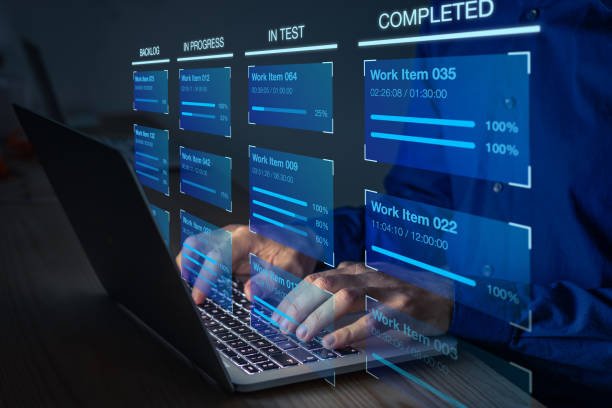
Kanban boards, Gantt charts, and to-do lists are popular formats for task visualization. The ability to categorize and prioritize tasks ensures that team members focus on what matters most.
A good project management tools fosters seamless collaboration among team members. Look for features like:
Integrated communication reduces the need for external tools and keeps all project-related discussions in one place.
Time management is crucial for project success. The tool should include:
These features help identify bottlenecks and improve time allocation for future projects.
Resource allocation is a critical component of project management tools. The tool should provide insights into:
An efficient resource management feature helps optimize utilization and reduces unnecessary costs.
Every organization has unique needs, and your project management tools should be adaptable. Check for:
Scalability and customization ensure that the tool grows alongside your business.
Data-driven decision-making is essential in modern project management tools. Look for tools that offer:
Strong reporting capabilities provide valuable insights into what’s working and what needs improvement.
In a world where remote and hybrid work are becoming the norm, mobile accessibility is a must. Ensure the tool offers:
This flexibility ensures that team members can stay productive, regardless of location.
With sensitive project data at stake, security is non-negotiable. Look for features such as:
Strong security features protect your organization’s integrity and trustworthiness.
While it’s tempting to go for the most feature-rich tool, it’s important to balance functionality with cost. Evaluate:
Choose a tool that provides the best ROI without compromising on essential features.
Automation can save time and reduce human error. Look for:
AI and automation features can significantly enhance efficiency and accuracy.
Even the most user-friendly tools require some level of support. Opt for tools that offer:
Reliable support ensures your team can overcome challenges quickly and continue working without disruption.
The right project management tools can transform the way your team works, making projects more organized, efficient, and successful. By focusing on features like usability, task management, collaboration, and security, you can select a tool that aligns with your organization’s needs and goals. Remember, the best tool isn’t necessarily the one with the most features but the one that integrates seamlessly into your workflow and empowers your team to deliver exceptional results.